Phony visa application and passport sites face U.S. government crackdown
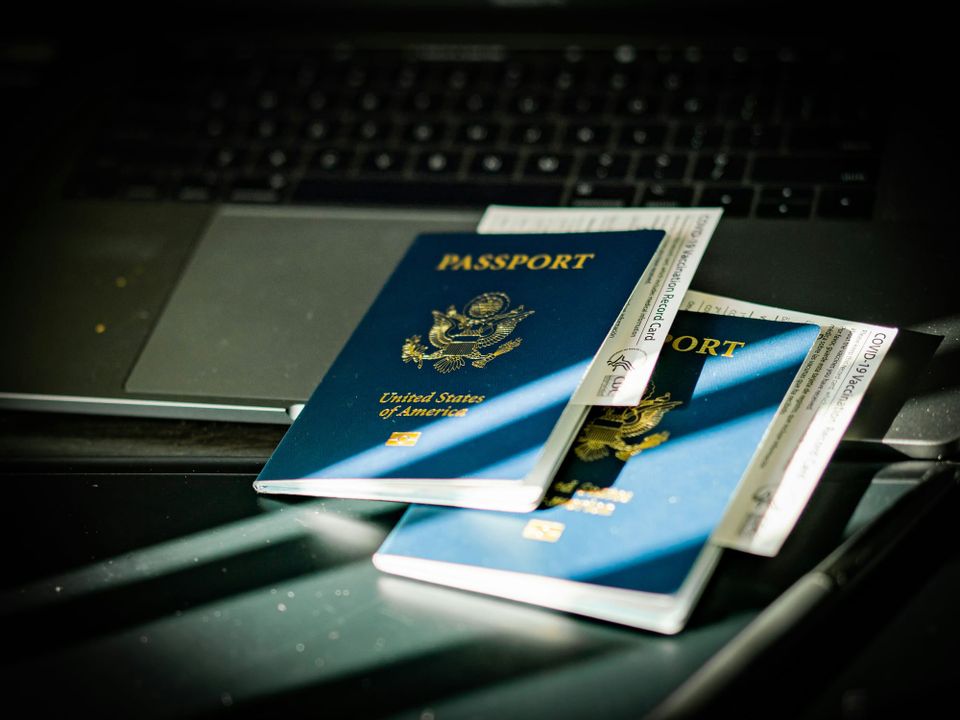
Travelers, beware. There is an abundance of sketchy websites out there that look like legitimate government portals and claim to offer faster processing times for visa applications, passports, and other travel authorizations required by some countries. But instead of fulfilling their promises, these websites take your cash and your personal information, and deliver subpar services for something that you could reliably get through official channels.
Now the U.S. government is starting to notice and crack down on these websites. These cash-for-passports-and-visa schemes ensnare unwitting travelers with deceptive search engine results that trick people into thinking they offer a government service.
A former spyware maker, who was previously banned from the surveillance industry after a data breach at his company exposed people's sensitive data, now faces a second U.S. federal enforcement action after allegedly running a government impersonation scheme that purported to offer passports and visas to consumers.
The Federal Trade Commission is suing Scott Zuckerman, the founder of GovAssist and Entry.com, to seek a permanent court injunction that could force him to cease running the operation. The FTC says Zuckerman uses "deceptive paid search ads to impersonate the government or pretend to be affiliated with the government to lure travelers seeking passport services to defendants’ websites and makes false service promises to obtain consumers’ financial and personal information." The FTC says Zuckerman's sites made at least $40 million from the scheme.
It's a common trick that any seasoned traveler may have seen — and should be aware of. Some websites juice their search rankings or pay for sponsored ads to get preferential placement at the top of search results, such as people querying for terms like "visa application" and "passport renewal online." The goal is the same: to get someone to click on their link, rather than the official government portal.
This is exactly what happened to one victim, who told me that their personal info was likely exposed after they filled out and paid for what they thought was a United Kingdom visa application on a legitimate U.K. government website. It wasn't.
The person told me that their data was compromised following a data breach at UK Visa Portal, a company based in the United Arab Emirates. The company had a security lapse that publicly spilled the passports, selfies, and personal information of thousands of people who had paid money to the site, assuming it was a government service. The person told me that they were looking to apply for a visa for a work trip to the U.K., and clicked on the first search result, not realizing that UK Visa Portal wasn't a legitimate government website.
It's also an easy mistake to make, as in the past some immigration portals have not always been on a government domain, or are provided by a third-party company.
But the FTC isn't having any of it, and its lawsuit signals that the agency is taking a harder stance on companies that it believes are impersonating the government.
Zuckerman, who did not provide comment when reached by email prior to publication, could face a business shutdown and monetary penalties if ordered by a court. Zuckerman did not say if he plans to challenge the FTC's latest allegations.
In the meantime, there are things you can do to avoid suspected visa and passport scams like these. Plus, news you can use: I have advice for Astonishing admin subscribers after the break, including what you can do to avoid scams like these. Not a paid subscriber? Join in! Otherwise, read on!